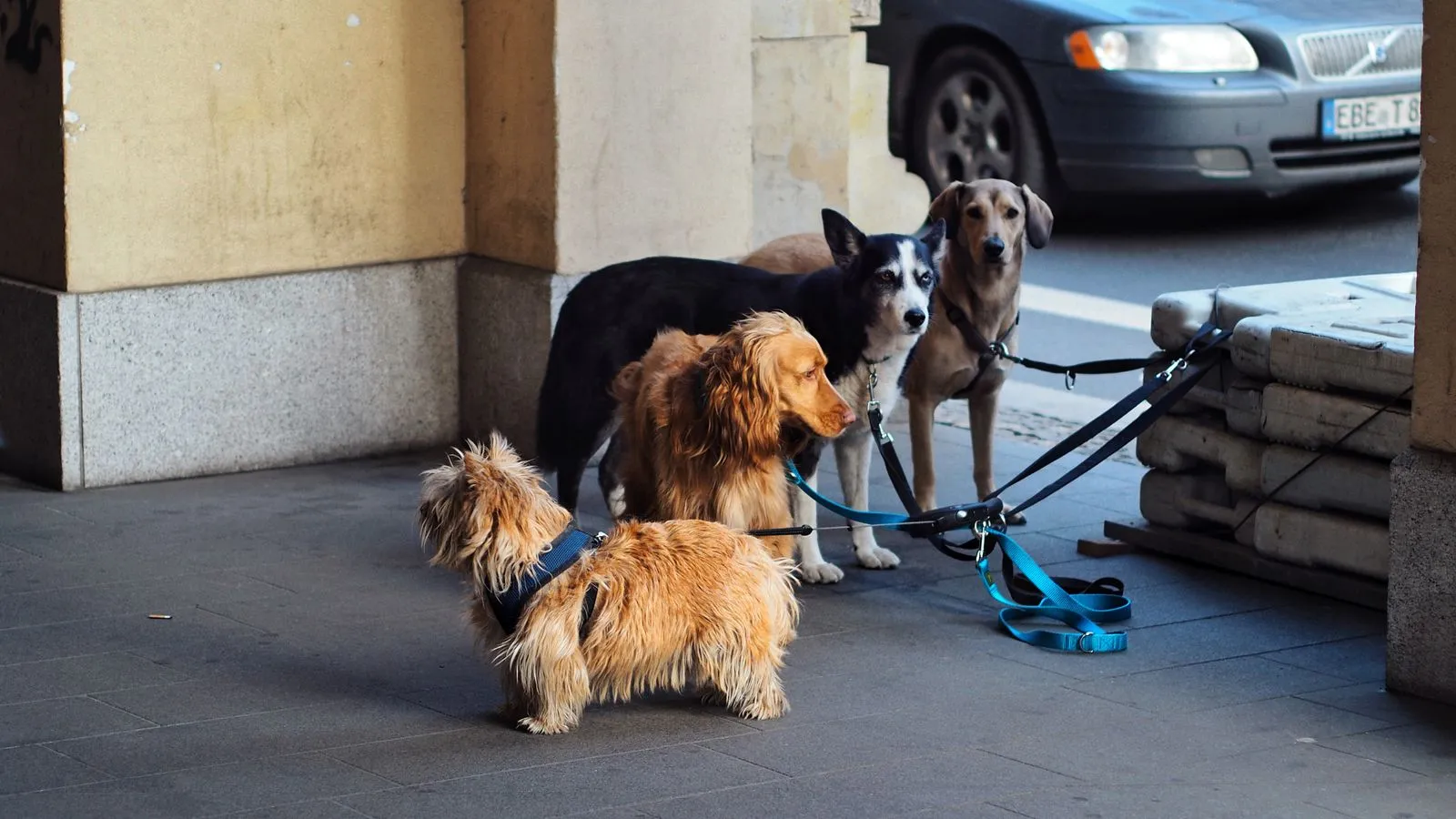
A relaxed walk starts with a simple goal: your dog can move beside you while the leash hangs in a soft curve. This takes practice, not a stronger grip or constant pulling. Begin in a quiet place, reward the position you want, and add challenges gradually. On Salt Lake City sidewalks and trails, changing your route or creating more distance from distractions can help your dog stay focused while you build reliable walking skills.
Start in a Quiet Place
Choose a well-fitted harness or flat collar and a standard leash. Begin indoors, in a fenced yard, or on a quiet stretch where your dog can pay attention. Hold the leash with a relaxed hand and keep a supply of small, appealing treats within easy reach. Decide which side you want your dog to walk on, but prioritize a loose leash over a rigid heel position.
Take a few steps and encourage your dog to follow. When your dog is near your side and the leash is slack, mark the moment with a brief word such as “yes,” then give a treat by your leg. Reward often at first, especially for checking in with you. If your dog moves ahead and tightens the leash, stop without jerking or scolding.
Reward the Right Moment
Timing helps your dog understand what earned the reward. Mark the behavior while the leash is loose and your dog is in the position you want; then deliver the treat promptly. Feeding near your leg encourages your dog to return to that area. If you wait until your dog has surged forward or the leash has tightened, the reward may reinforce the wrong moment.
When the leash tightens, pause and wait for your dog to turn back, step toward you, or otherwise create slack. Mark and reward that choice, then continue walking. You can also calmly change direction before the leash becomes taut. Keep sessions short enough that your dog can succeed, and gradually increase the number of steps between treats as the skill becomes more consistent.
Add Salt Lake City Distractions
Practice first on a quiet block, then gradually work near busier sidewalks, parks, and neighborhood paths. Salt Lake City walks may bring passing dogs, cyclists, traffic, people, or wildlife into view. Start far enough from a distraction that your dog can still take treats and respond to your voice. If your dog stops eating, pulls hard, or cannot look back at you, create more distance.
Use parked cars, wider sections of sidewalk, or a turn onto a quieter street to give your dog space. Ask for attention before you pass a distraction, reward your dog for looking back, and keep moving if that helps. Avoid tight encounters when possible; stepping aside is a useful training choice, not a setback. Follow local leash rules and keep your dog on leash where required.
Build Progress Gradually
Change one challenge at a time: walk a little farther, practice for longer, or choose a slightly busier location. If pulling returns, make the exercise easier rather than repeating a difficult pass. Return to a calmer area, reward more frequently, and finish with a short stretch your dog can manage. Consistent, brief practice is more useful than expecting one long walk to teach the whole skill.
Use the same clear response when the leash tightens: pause or turn, wait for slack, reward, and continue. Everyone who walks your dog should follow a similar routine. Keep treats accessible, watch the path ahead, and give your dog time to sniff during designated breaks. Sniffing can be part of a walk; resume training when you are ready to move together again.
Loose-leash walking develops through clear feedback, well-timed rewards, and manageable practice. Start somewhere quiet, then add Salt Lake City distractions only when your dog is ready. If you would like help tailoring a plan to your dog and regular walking routes, contact Wasatch Dog Training to discuss your training goals.